How to Create a Workflow That Actually Works
Published 2026-04-13
Building a workflow that doesn't just look good on paper but actually does good for your work might seem like a puzzle, but it's more about thoughtful design than magic. So, how do you create a workflow that actually works? The short answer
Building a workflow that doesn't just _look_ good on paper but actually _does_ good for your work might seem like a puzzle, but it's more about thoughtful design than magic. So, how do you create a workflow that actually works? The short answer is by understanding what you're trying to achieve, breaking it down into manageable steps, and being willing to adjust as you go. It’s about making your work smoother, not just more complicated.
Why Making Your Workflow Actually Work Matters
Let's be honest, we've all seen or been part of processes that felt like wading through molasses. Work gets stalled, fingers are pointed, and deadlines become more like suggestions. When a workflow actually works, it’s the opposite. It’s about clarity, efficiency, and getting things done without unnecessary friction.
Cutting Down on Confusion and Mistakes
A well-defined workflow acts as a roadmap. Everyone involved knows their part, when they need to do it, and what to expect next. This significantly reduces the chances of things falling through the cracks or people duplicating efforts. When it’s clear who’s responsible for what, confusion melts away, and with it, a lot of avoidable errors.
Boosting Productivity and Saving Time
Think about how much time can be lost when tasks aren't clear, or when approvals take ages because nobody knows who to ask. A good workflow streamlines these handoffs. It ensures that once a task is finished, it moves promptly to the next stage, allowing your team to focus on doing the actual work rather than wrestling with the process itself. This cumulative saving of time can make a massive difference to overall output.
Improving Team Collaboration and Morale
When things are chaotic and unpredictable, it’s stressful for everyone. A functional workflow brings a sense of order and predictability. Knowing that the system is designed to support their efforts can genuinely lift team morale. It also fosters better collaboration because people can rely on each other to complete their parts of the process, leading to a more cohesive and effective team.
The Building Blocks of a Winning Workflow
A workflow isn't just a list of tasks. It's a carefully considered sequence of actions designed to achieve a specific outcome. Getting these core components right is the foundation for everything else.
Clearly Defined Goals and Objectives
Before you even think about steps, ask yourself: what are we trying to accomplish with this workflow? Is it about onboarding new clients efficiently? Is it about getting blog posts published on time? Having crystal-clear goals ensures that every step in your workflow contributes to that ultimate aim and helps you identify steps that might be unnecessary.
Detailed Task Breakdown and Sequencing
Once you know your goal, you need to break it down. What are all the individual actions that need to happen to get from start to finish? Don't just say "write report"; specify "gather data," "analyze data," "outline report," "draft report," "review report," etc. Then, arrange these tasks in the most logical order. What _has_ to happen before something else can begin?
Clear Roles and Responsibilities
Who is responsible for each of those individual tasks? Ambiguity here is a recipe for disaster. Assigning ownership ensures someone is accountable and prevents tasks from being forgotten or debated over who should do them. This isn't about dictating every second of someone's day, but about clarity on their contribution to the overall process.
Defined Hand-off Points and Communication Channels
How does a task move from one person or team to the next? This is a critical junction. You need to establish clear points where one stage ends, and another begins, and precisely how that information or completed task is communicated. Relying on ad-hoc emails or hallway conversations is a weak link. Think about standardized ways of notifying the next person in line, providing them with all the necessary context.
Putting Workflow Management Tools to Work
While you can build a functional workflow with sticky notes and spreadsheets (and some people do!), leveraging dedicated tools can dramatically enhance efficiency and provide valuable insights. These aren't just digital filing cabinets; they're systems designed to guide your processes.
Project Management Software
Tools like Asana, Trello, [Monday.com](http://Monday.com), or Jira are fantastic for visualizing workflows. You can create boards, assign tasks, set deadlines, and track progress. They offer a central hub where everyone can see what's happening, reducing the need for constant status updates.
Automation Tools
This is where you can really cut down on repetitive, manual work. Tools like Zapier or IFTTT can connect different applications and automate actions based on triggers. For instance, automatically creating a new customer record in your CRM when a form is submitted on your website, or sending a notification when a task is completed.
Document Management Systems
Even simple things like cloud storage with good organization and version control can be part of your workflow. If your process involves creating and sharing documents, having a system that tracks changes and ensures everyone is working from the latest version is crucial.
Communication and Collaboration Platforms
Tools like Slack or Microsoft Teams aren't just for chatting. They can be integrated with other workflow tools to provide real-time updates and facilitate quick discussions about specific tasks or stages within the workflow.
Making Your Existing Processes Shine
Process| Efficiency| Quality
---|---|---
Inventory Management| 95%| High
Customer Service| 90%| Excellent
Production Line| 98%| Very Good
Often, the solution isn't about creating a brand-new workflow from scratch, but about refining what you already have. Streamlining existing processes can yield significant improvements without overhauling everything.
Mapping Your Current Process
Before you can improve something, you need to understand it. Draw out your current workflow, step by step. Be brutally honest about what actually happens, not what you think _should_ happen. Identify bottlenecks, redundancies, and any instances where tasks are unclear or delayed.
Identifying and Eliminating Bottlenecks
Bottlenecks are those points in your workflow where work gets stuck or backs up. This could be a single person who's overloaded, a slow approval process, or a piece of technology that’s not keeping up. Once identified, brainstorm ways to alleviate these chokeholds. This might involve redistributing work, simplifying approval chains, or investing in better tools.
Simplifying and Standardizing Steps
Are there steps that are overly complicated, or that are performed differently by different people? Simplifying means asking, "Can this be done more directly, with fewer actions?" Standardizing means ensuring that repeatable tasks are performed in the same, most efficient way every time, by everyone. This consistency is key to predictable results.
Removing Redundant Tasks
Take a critical look at each step. Is this task truly necessary? Does it add value? Sometimes, we perform tasks out of habit or because they were once important, even if their original purpose has faded. Cutting out steps that don't contribute to the final goal frees up time and resources.
Navigating the Rough Patches in Workflow Creation
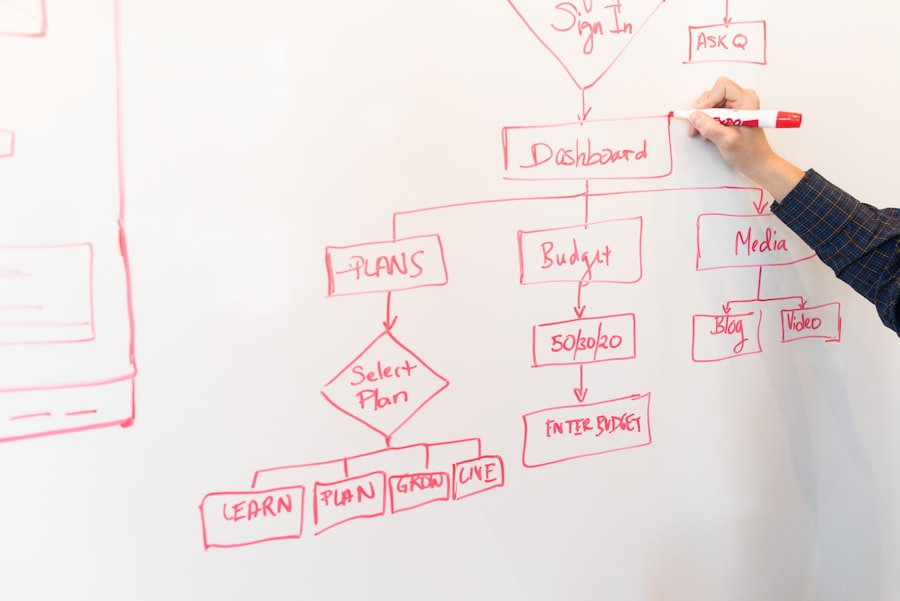
Building a great workflow isn't always a smooth ride. There are common pitfalls that can derail even the best intentions. Being aware of them can help you steer clear.
Resistance to Change
People get comfortable with their routines, even if those routines are inefficient. Introducing new workflows or tools can be met with apprehension or outright resistance. Clearly communicating the _why_ behind the changes and involving your team in the design process can help overcome this. Show them how it benefits them, not just the company.
Lack of Clear Communication and Buy-in
If the team doesn't understand the new workflow or hasn't been consulted, they're less likely to adopt it. It’s crucial to involve the people who will be using the workflow in its creation. Their practical insights are invaluable, and their involvement fosters a sense of ownership that makes adoption much smoother.
Over-Engineering the Process
It's tempting to try to account for every single possibility, leading to a complex, bureaucratic nightmare. Remember, a good workflow should simplify things, not add more hoops to jump through. Stick to the essentials and build in flexibility where needed, but avoid excessive detail that bogs things down.
Not Allocating Enough Resources or Time
Building and implementing a new workflow, or even significantly improving an existing one, takes time and effort. You need to dedicate the necessary resources, whether that's team members' time, budget for new tools, or training. Underestimating these needs is a common mistake.
Knowing If Your Workflow is Actually Working
You've built it, you've implemented it, but how do you know if it's a success? Measuring performance is not about micromanagement; it's about understanding what's working and what needs more tweaking.
Key Performance Indicators (KPIs)
What metrics will tell you if you're meeting your goals? These will vary depending on your workflow. For a sales lead processing workflow, it might be "time to first contact" or "conversion rate." For content creation, it could be "time from ideation to publication" or "number of content pieces produced per month." Choose metrics that directly reflect the objectives of your workflow.
Regular Audits and Reviews
Don't just set it and forget it. Schedule regular times to review how the workflow is performing against your KPIs. This could be weekly, monthly, or quarterly, depending on the nature of the workflow. These audits provide a structured opportunity to identify issues and celebrate successes.
Feedback Mechanisms
The people who use the workflow every day are your best source of information. Create channels for them to provide feedback – anonymous suggestion boxes, regular team check-ins, or specific feedback forms related to the workflow. Actively listen to their input; they often see problems or potential improvements that management might miss.
Always Be Improving
A workflow isn't a static monument; it's a living, breathing system that needs to adapt. The business landscape changes, tools evolve, and your team's needs will shift. Continuous improvement is key to keeping your workflow effective over time.
Iterative Refinement
Based on your performance analysis and feedback, make small, incremental changes to your workflow. Instead of aiming for massive overhauls, focus on making targeted improvements to specific steps or hand-offs. This iterative approach is less disruptive and allows you to measure the impact of each change.
Embracing New Technologies and Practices
Stay aware of new tools or methodologies that could further enhance your workflow. This doesn't mean chasing every shiny new object, but being open to adopting technologies or approaches that genuinely offer a better way of doing things. This could be adopting AI tools for task analysis or implementing agile methodologies to increase flexibility.
Training and Skill Development
Sometimes, the bottleneck isn't the process itself, but the skills of the people operating within it. Investing in training for your team can empower them to perform their tasks more efficiently and effectively within the established workflow, leading to overall improvement.
Ultimately, creating a workflow that works is an ongoing journey of observation, careful planning, and a willingness to adapt. It's about making your work life smoother, more productive, and less frustrating for everyone involved.
← Back to the Journal · Royal Assistants